








In April 2024, Xcel preemptively cut power to about 55,000 customers during high winds and low humidity, a “last resort” measure to reduce ignition risks. Similar actions occurred in late 2025, with thousands more facing planned outages. These events, while criticized for limited advance notice in some cases, highlight growing concerns over grid reliability during extreme weather.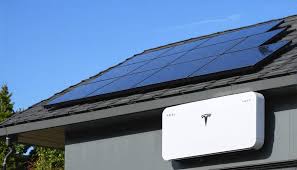
For Boulder-area homeowners, battery storage systems offer a powerful solution to maintain power when the grid goes dark. These “storage walls”—compact, wall-mounted batteries—store energy from solar panels or the grid, providing seamless backup for essentials like lights, refrigerators, heating, and medical devices.
Tesla Powerwall stands out as a leading option. The latest Powerwall 3 integrates a solar inverter, enabling direct connection to solar panels for high efficiency. A single unit delivers 13.5 kWh of storage and up to 11.5 kW of continuous power—enough for whole-home backup in many cases. Homeowners can stack multiple units for extended duration. When paired with solar, it stores excess daytime energy for nighttime use or outages, and Tesla’s app allows remote monitoring and optimization. Features like Storm Watch automatically charge the battery ahead of forecasted severe weather.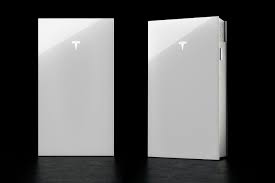
In Colorado, Xcel Energy’s Renewable Battery Connect program incentivizes adoption, offering rebates up to $350 per kW (max $5,000), plus federal 30% tax credits and state incentives—often reducing costs by 50-60%. Xcel even integrates Powerwalls into virtual power plants, allowing utilities to draw from them during peak demand while paying participants.
Generac provides a strong alternative with its PWRcell system, known for modular, scalable design—start small and add capacity as needed. It offers high efficiency and flexibility, appealing to those prioritizing customization. Unlike Tesla’s sleek, all-in-one approach, Generac’s modular setup suits varying home sizes. However, comparisons show Tesla often edges out in upfront cost per kWh, seamless solar integration, and user-friendly app controls, while Generac excels for long-duration needs or hybrid setups.
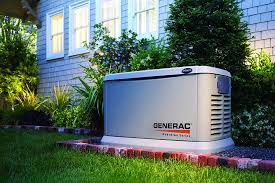 Smaller batteries, like individual Powerwall units or Generac modules, can power critical loads for hours to days, far outlasting typical outages. Paired with solar, they reduce bills through self-consumption and grid services.
As Colorado faces more frequent high-wind events to avoid another Marshall Fire scenario, these systems enhance resilience. Local installers report surging demand in Boulder, where residents seek independence from unpredictable shutoffs.
Whether choosing Tesla’s innovative, solar-optimized Powerwall or Generac’s flexible batteries, homeowners gain peace of mind—and a step toward clean, reliable energy.














Leave a Reply
You must be logged in to post a comment.