







Jan 3rd
How did insects get their hearing? A new study of 50-million-year-old cricket and katydid fossils sporting some of the best preserved fossil insect ears described to date are helping to trace the evolution of the insect ear, says a new study involving the University of Colorado Boulder and the University of Illinois at Chicago.
According to University of Colorado Museum of Natural History paleontologist Dena Smith and University of Illinois Professor Roy Plotnick, who collaborated on the new study at the National Evolutionary Synthesis Center, or NESCent, in Durham, N.C., insects hear with help from some very unusual ears.
Grasshoppers have ears on their abdomens. Lacewings have ears on their wings. The ears of the tachinid fly are tucked under the chin. “Insects have ears on pretty much every part of their body except on their head proper,” Plotnick said.
Insects have evolved ears at least 17 times in different lineages, said Smith, also an assistant professor in CU-Boulder’s geological sciences department. Smith and Plotnick are trying to figure out when different insects got their ears, and whether predators may have played a role.
Modern insects use their ears to tune in to each other’s chirps, trills and peeps. Think of the chorus of crickets, or the love songs of cicadas. But many species can also pick up sounds beyond the range of human hearing, such as the high-pitched sonar of night-hunting bats, according to Smith and Plotnick.

Crickets, moths and other flying insects have ultrasound-sensitive hearing and can hear bats coming, diving or swerving in midflight to avoid being eaten. Insects that evolved such supersensitive hearing would have had a crucial survival advantage, the researchers said.
“The big evolutionary trigger for the appearance of hearing in many insects is thought to be the appearance of bats,” Plotnick said. “Prior to the evolution of bats we would expect to find ears in relatively few insects, but after that we should see ears in more insect groups,” he explained.
Did insect ears get an upgrade when bats came to be? Before this study the fossil evidence for insect hearing was too poorly preserved or scantily described to know for sure, according to the researchers.
To find out, Plotnick and Smith turned to remarkably well-preserved fossils from a series of lake deposits in Wyoming, Utah and Colorado known as the Green River Formation, where some of the earliest bats are found.
Roughly 50 million years ago, fine-grained sediment covered and buried the animals that lived there and managed to preserve them in exquisite detail. “You can see every tiny feature down to the veins in their wings and the hairs on their legs,” said Smith, who has been studying Green River fossils for more than 15 years.
For this study, the researchers examined fossils from a Green River site in Colorado, focusing on crickets and katydids, which have ears on their front legs, just below their knees.
The team scoured more than 500 museum drawers of Green River fossils for crickets and katydids with intact front legs, looking for evidence of ears. “You can just make them out with the naked eye,” Plotnick said. “They look like the eye of a needle.”
In crickets and katydids living today, the ear is a tiny oval cavity with a thin membrane stretched over it that vibrates in response to sound, much like our own eardrum.
The fossil ears measured half a millimeter in length, and were virtually identical in size, shape and position to their modern counterparts. The findings suggest that this group of insects evolved their supersensitive ultrasonic hearing long before bat predators came to be, the researchers say. “Their bat-detecting abilities may have simply become apparent later,” Smith said. “The next step is to look for ears in other insect groups.”
The study appears in this month’s issue of the Journal of Paleontology. NESCent is a nonprofit science center dedicated to cross-disciplinary research in evolution and is jointly operated by Duke University, the University of North Carolina at Chapel Hill and North Carolina State University, with funding from the National Science Foundation.
-CU-
Dec 28th
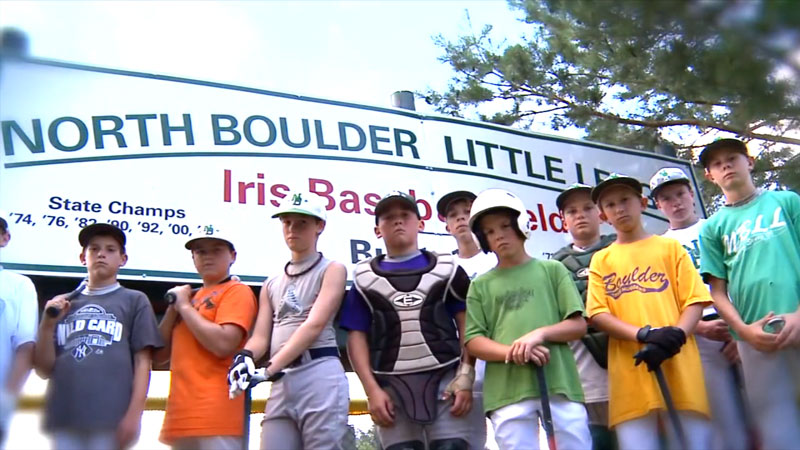
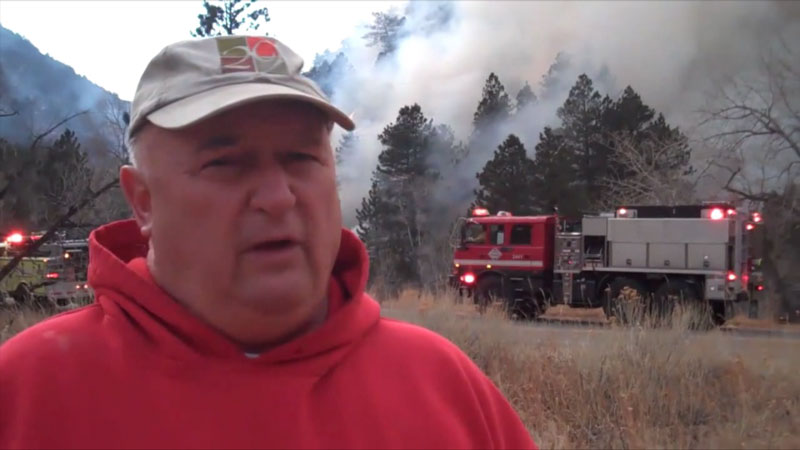
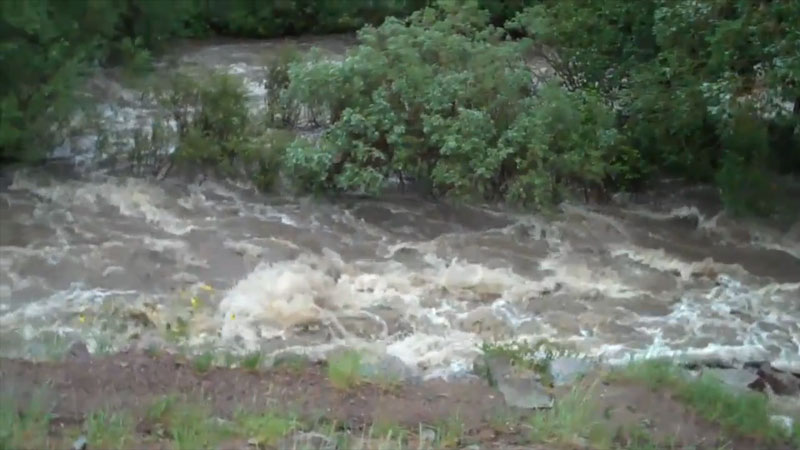
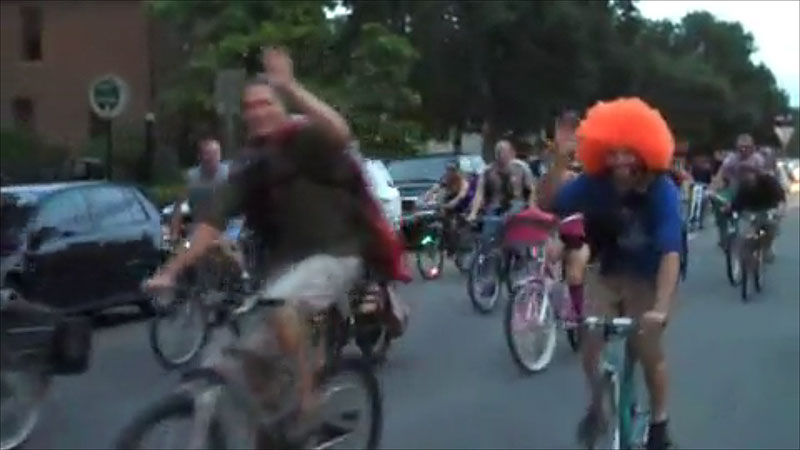
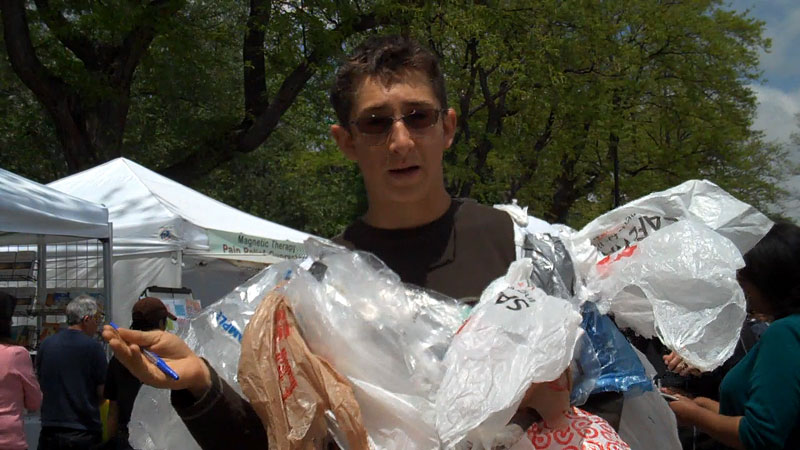
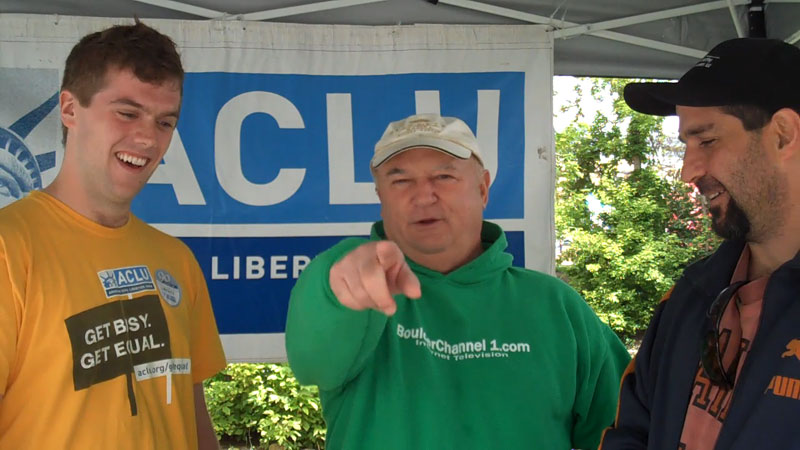
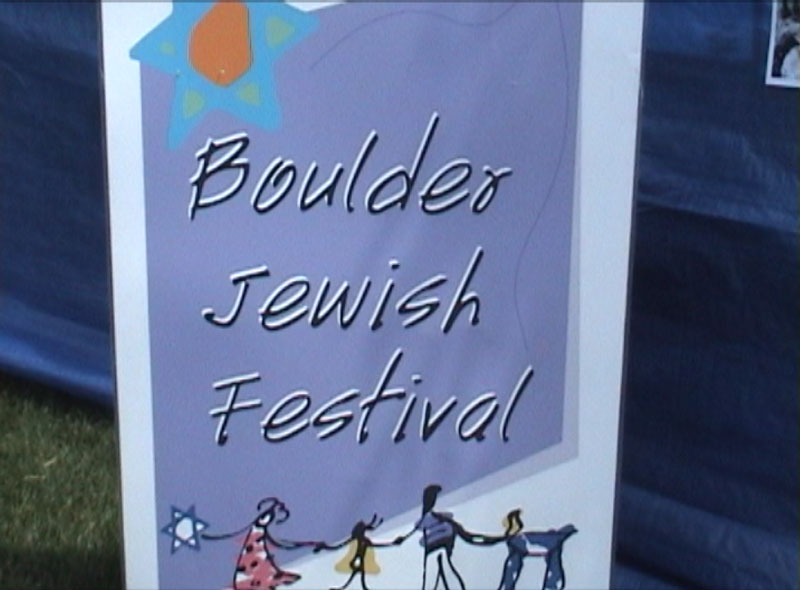
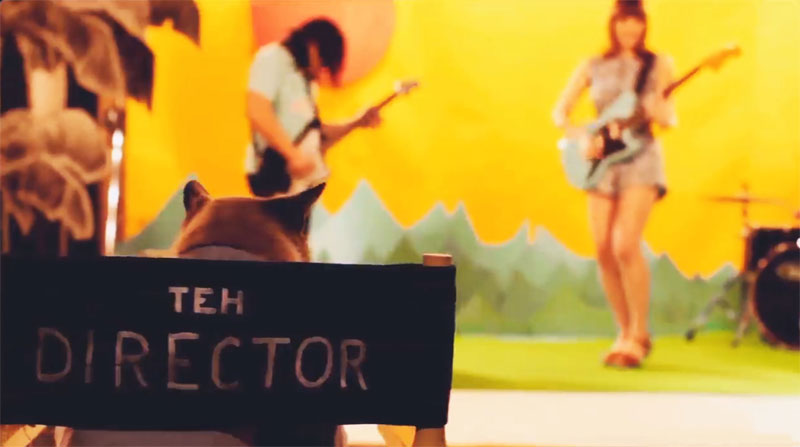
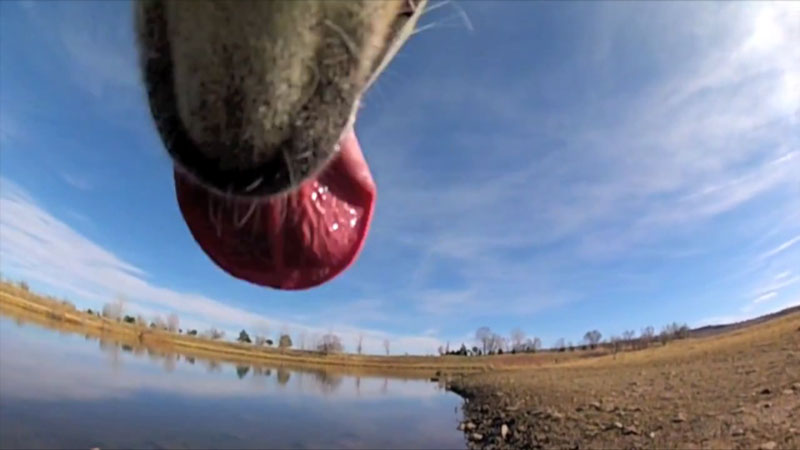
Jann Scott, host, takes you through a TV journey of Boulder over the past year in our Look Back at 2011 on 22 Boom. News, Music, Fireworks, Little League, Big Head Todd at NASA, the Left Hand Canyon Fire, Boulder Creek Flood, Four Mile Mudslides, Homeless Freezing in Boulder, Thursday Night Cruisers, Valmont Bike Park Grand Opening, Airport Day 1940’s WWII Ball, Occupy Boulder, Vintage Bike Swap, CU Football Cheerleaders, Alzheimers Polar Plunge, E.F.A.A., Bag Monster, ACLU of Boulder County, Boulder Jewish Festival, Colorado Cat Fanciers Show and of Course Dogs.














Dec 20th
 Commissioners adopt Boulder County Cropland Policy
Boulder County, Colo. – The Boulder County Board of Commissioners voted unanimously today to adopt the county Cropland Policy with some additional recommendations.
The policy, which has been under development throughout the last two years, includes the conditional approval of some genetically engineered crops. The approval includes corn, which has been allowed since 2003, and directs staff to develop protocols for the planting of sugar beets.
The additional recommendations will ensure that Roundup Ready crops are not planted year-after-year and maintain crop rotation to prevent herbicide-resistant weeds from developing on public lands. Additionally, a notification program will be established to inform Boulder County land managers and neighboring private farms and landowners when any new genetically engineered crop is to be planted on public land.
Statement from Commissioners Ben Pearlman, Cindy Domenico and Will Toor:
First and foremost we would like to thank the thousands of people who have been involved in the process of crafting this policy. From the staff and advisory group members who poured months of research into the process, to the input and comments we received from all segments of the community, we are most appreciative of this massive collective effort. Working on this policy has been one of the biggest challenges each of us has faced as elected officials, and also one of the most educational and worthwhile processes we have undertaken. It is important to note that 83 of the 86 recommendations included in the policy are universally accepted.
The Cropland Policy deals with agricultural land publicly owned by Boulder County. In other words, this policy affects only about 10 percent of the farms located in Boulder County and about 15 percent of the county’s cropland. We know that we must continue working with all public land farmers – conventional and organic – to farm this agricultural land, and farm it well, to increase local food production, prevent takeover by noxious weeds, and use best practices to preserve the land for future generations.
We have already implemented policies to promote agriculture on our public lands, including the application of lease revenues back into farming, supporting better infrastructure like improved water delivery systems and crop storage, and helping small-market and organic farmers get onto the land and become productive. We have also taken specific measures to increase organic farming on public land. This includes rent reduction for those transitioning to organic and funding the expansion of the Longmont farmers market.
We have worked steadily to train new farmers, particularly those interested in organic farms, and county open space land under organic production or transition has increased dramatically – from less than 150 acres in 2005 to more than 1,500 acres in 2012. That is 10 percent of our public cropland, or about 15 times the national average of .7 percent. However, even as we push toward increased organic, a large percentage of our land will be in conventional production for years to come
The Cropland Policy we have adopted provides more detail on how we will manage these resources in a balanced way into the future. In crafting this policy, we’ve heard loud and clear from the public that people want local food produced by local farmers that is healthy, grown with less pesticide, and that provides as much value as possible out of each crop. This leads us to highlight our need to diversify, to support a great variety of farms, crops and farmers. With 30 percent of Boulder County residents living at just 200 percent of the national poverty rate, we need make our local food system work for everyone in the most cost-effective way possible.
Following a thorough review process and meeting strict protocols, genetically modified field corn was approved as a crop on Open Space lands in 2003. Pollen drift studies for five years confirmed that the protocols were effective. No issues have been raised over that time by organic producers. 
Now, as tenant farmers have applied to plant genetically engineered sugar beets, we have looked even further into the issue. What we have seen locally as farmers have moved to genetically engineered corn and sugar beets are reductions in the toxicity and amount of pesticide and herbicide used, as well as reductions in erosion and runoff as farmers have been able to turn to strip tilling and low tilling practices. We have also seen significant increases in yield coupled with a decreasing carbon footprint resulting from fewer passes across the field to deliver pesticides and herbicides.
Farming is a struggle, as we have heard from each farmer we have visited. We cannot take tools away without replacing them with real options. We need to move forward, acknowledging agriculture’s complexity and celebrating its diversity. We know that Boulder County farmers have always used crop rotation as a best practice and that rotation will continue to benefit croplands by stifling the emergence herbicide-resistant weeds.
However, genetically modified crops come with downsides, and many people have expressed concerns about the crops’ food safety risks and impacts on human health. While additional study is necessary, science indicates that the health impact on humans is not likely to be significant and the risks associated with genetically modified foods are not likely to be higher than those associated with a variety of types of conventional breeding. With that in mind, we still believe that consumer choice is important and that people should have the ability to choose not to eat them. To that end, we strongly support labeling and will include this in the county’s federal legislative agenda.

We believe an outright ban of genetically engineered crops on our land is not the right direction to take. With appropriate safeguards, they can be a part of the overall mix of uses on cropland. Moreover, appropriate protocols for planting and managing these crops are absolutely necessary, including evaluating any future crops that become available based on their individual characteristics. In particular, we do not support the use of any additional glyphosate tolerant crops that would be in rotation with corn or sugar beets, as we do not support the use of Roundup on the same lands year after year.
We have always been about co-existence in Boulder County. Large and small farms sit side-by-side. Organic farmers and conventional farmers, on private and public land, work just over the fence line with respect for one another, neighbors working together. Farmers in Boulder County must pursue a variety of options in order to remain viable and if we want local food sources, we must allow local producers to grow crops that are profitable.
Most importantly, we believe that the changes we want to see on our cropland – the meaningful efforts to produce locally grown food for Boulder County markets– will occur as a result of our continued cooperation with local farmers. One thing that has been clear in this process is that a broad cross section of the community supports the goal of increasing local food production for local consumption. The county is committed to working with the farmers, with the local natural foods industry, and with other stakeholders to expand the local food system.
Again, we want to say how much we appreciate the large number of residents and members of the farming community who contributed to the lively and informational debate that influenced and guided our decisions.
-BoulderCounty.org-