







Feb 27th
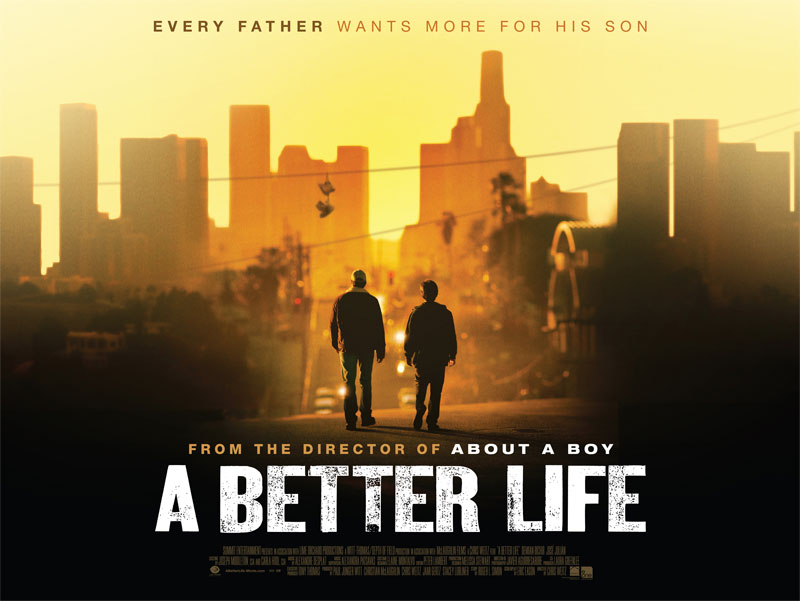
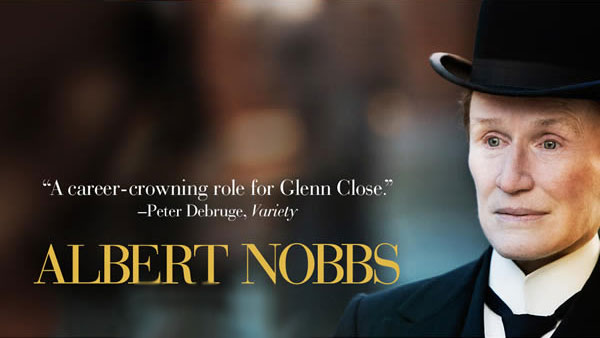
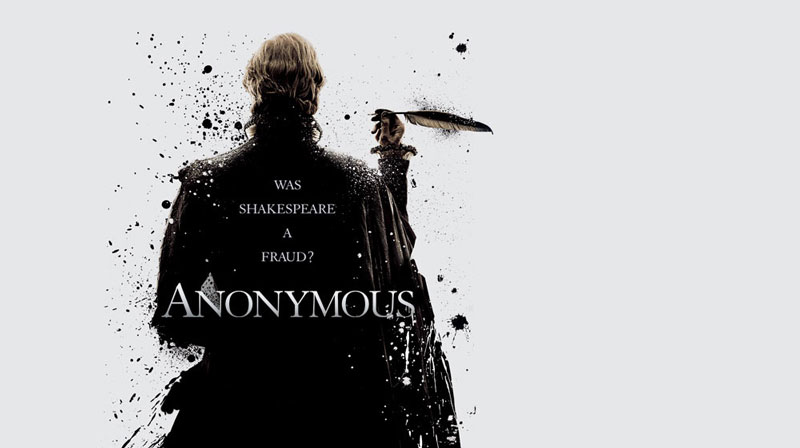
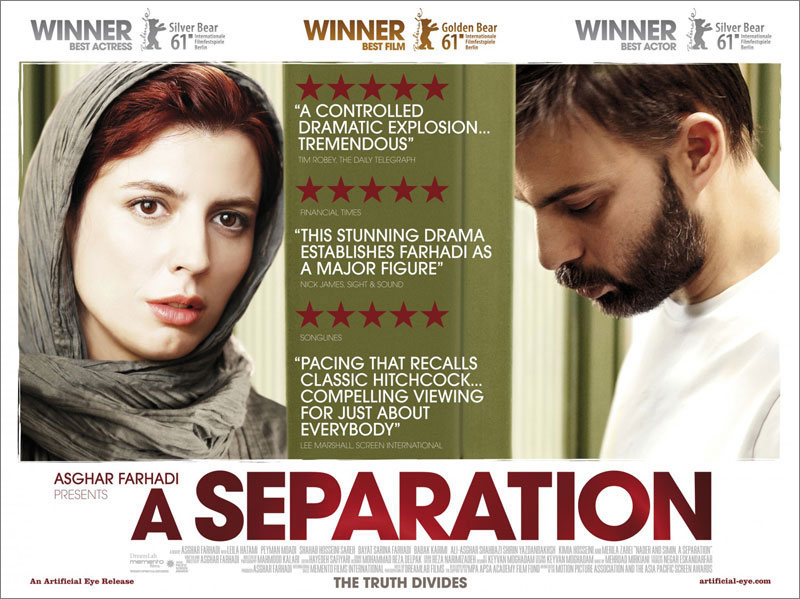
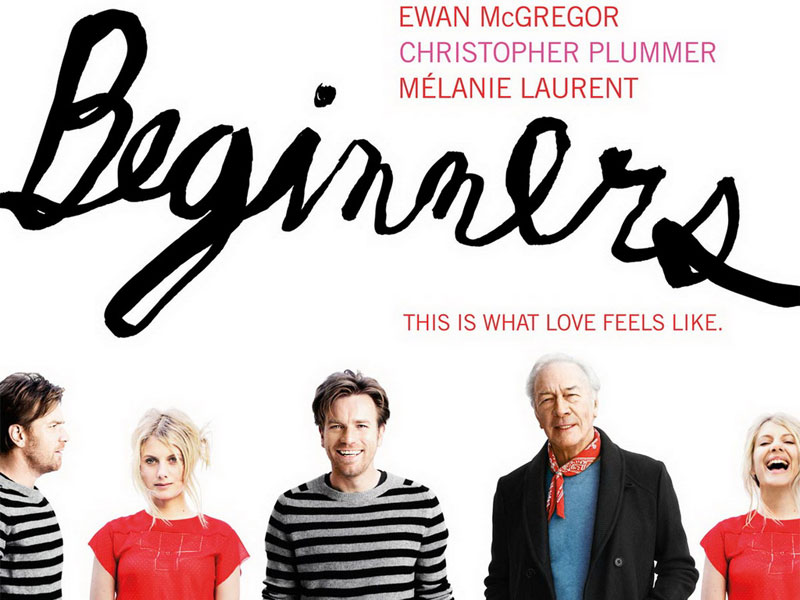
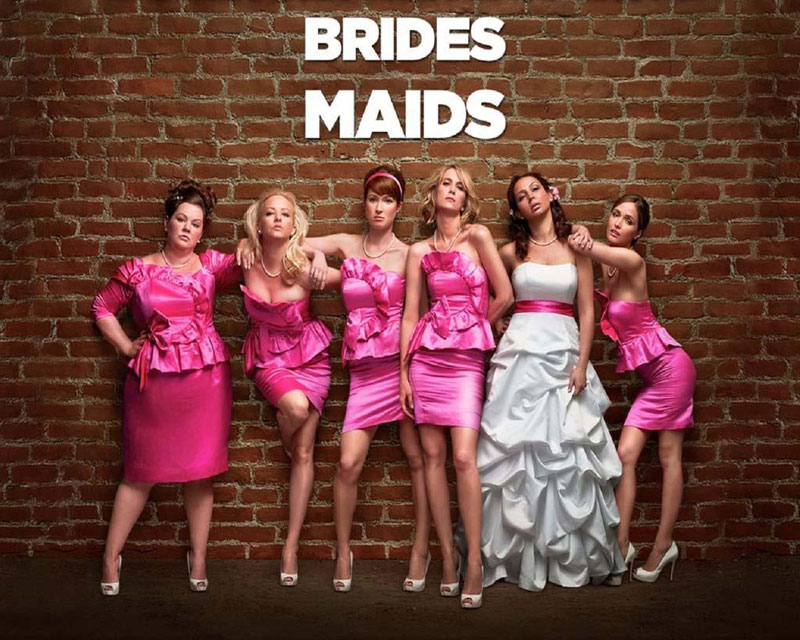
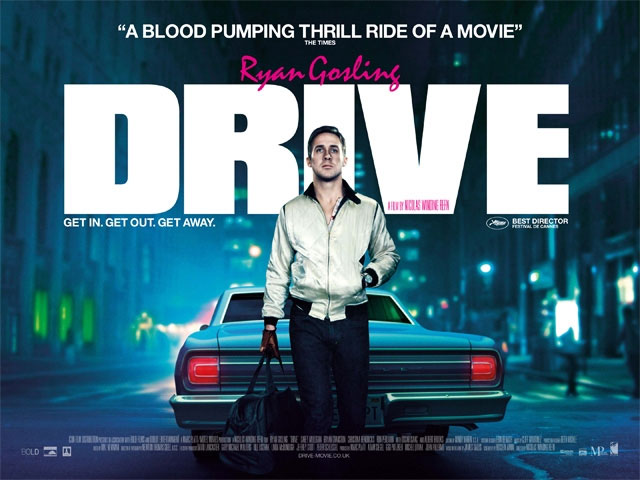
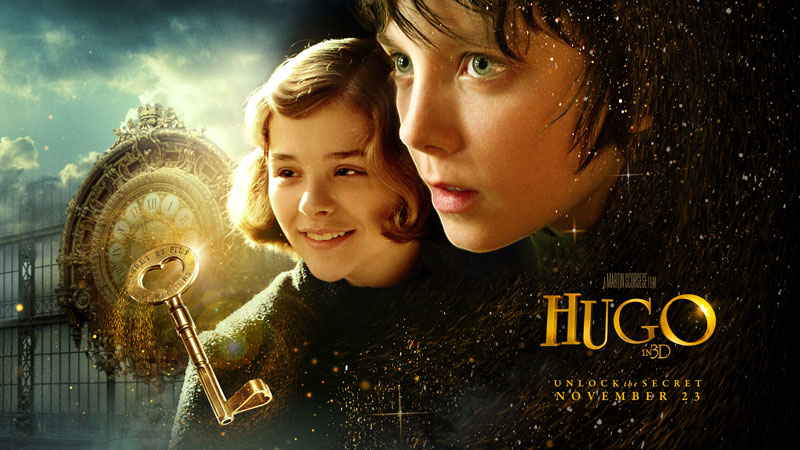
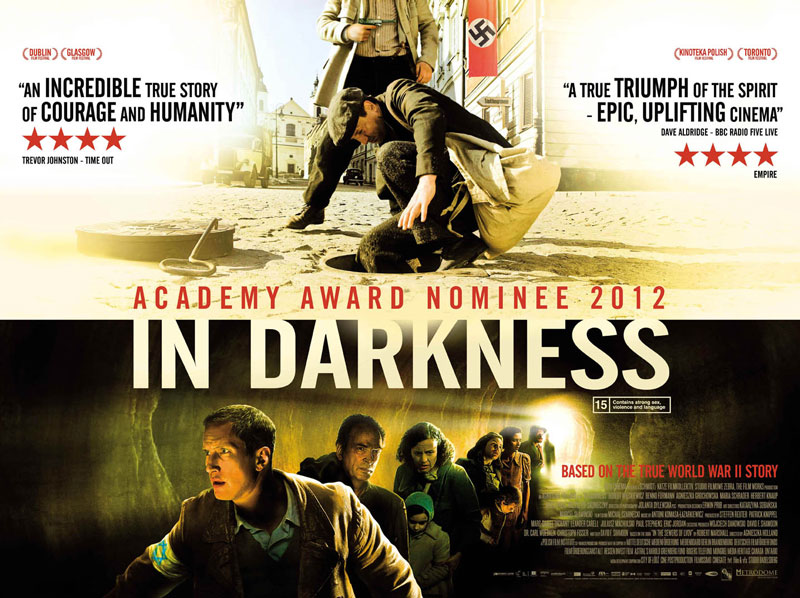
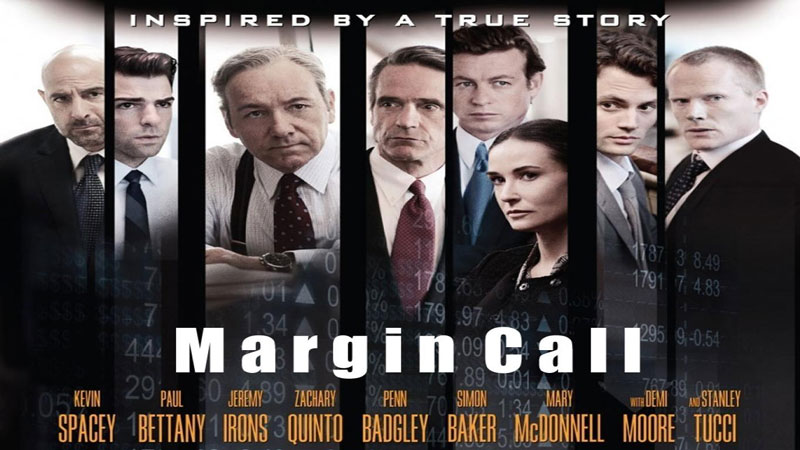
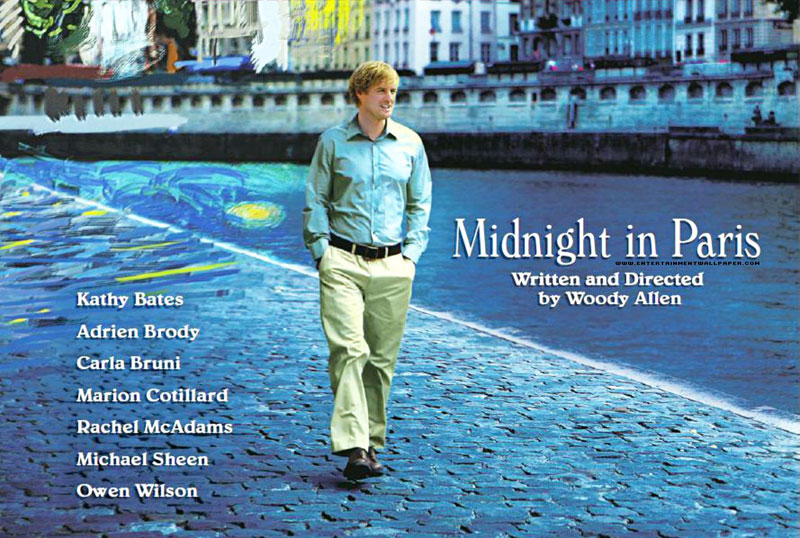
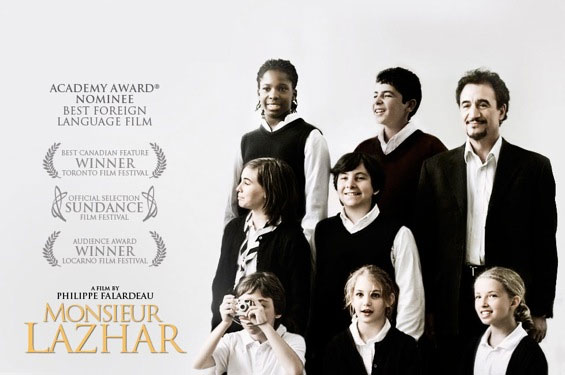
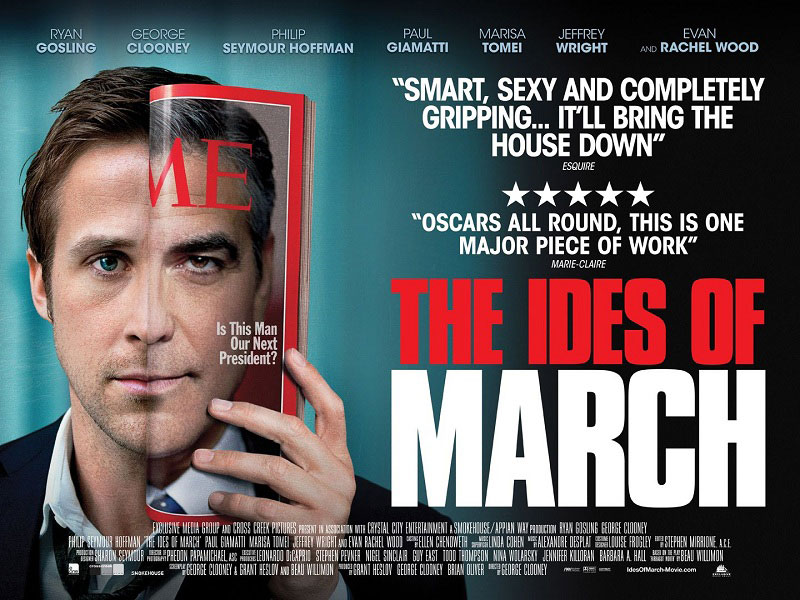
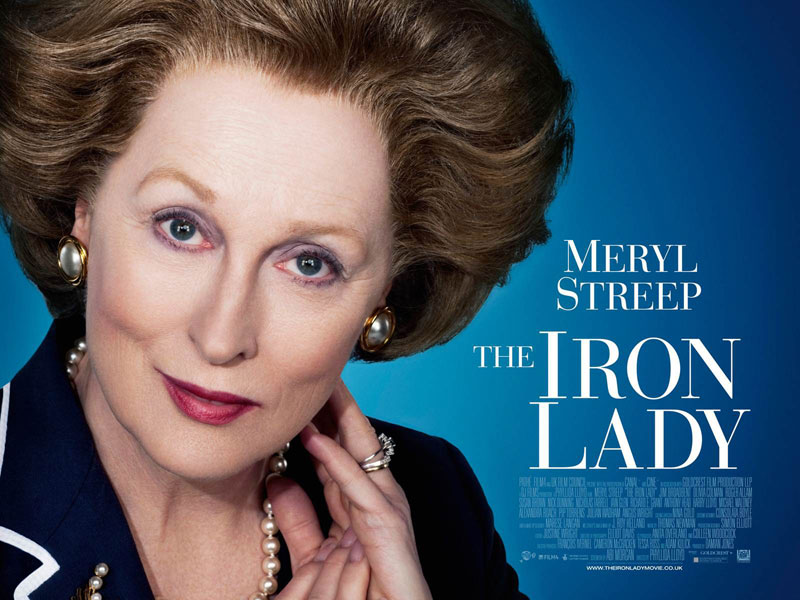
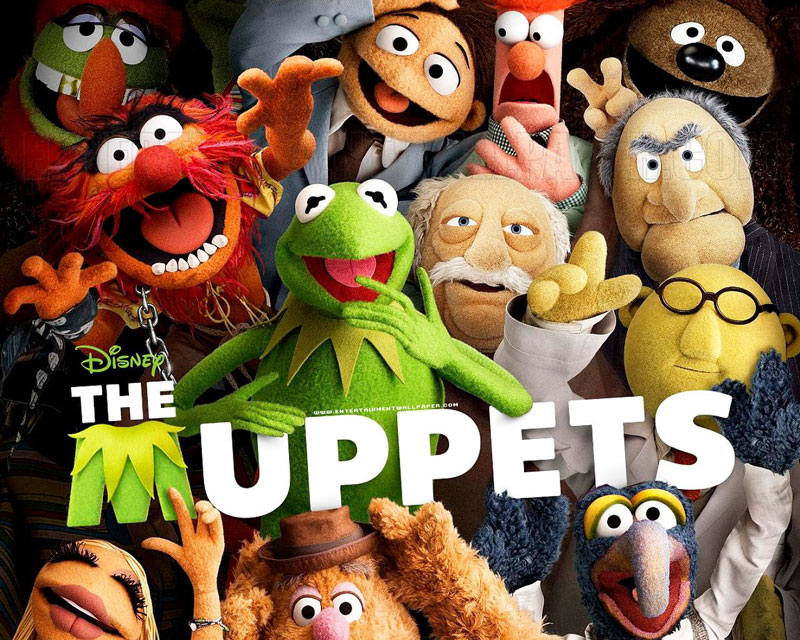
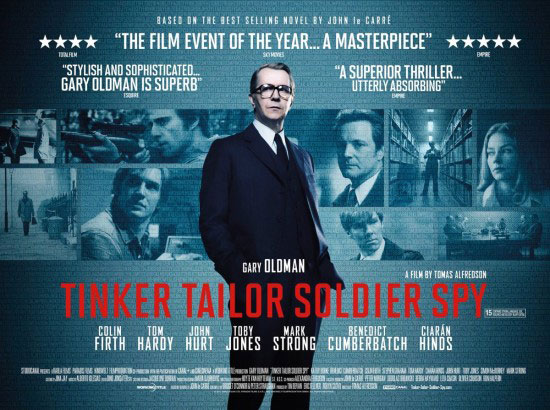
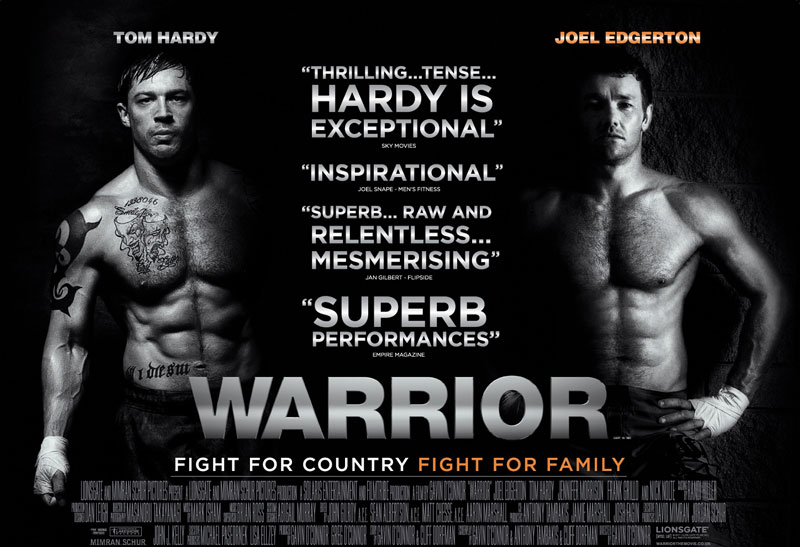
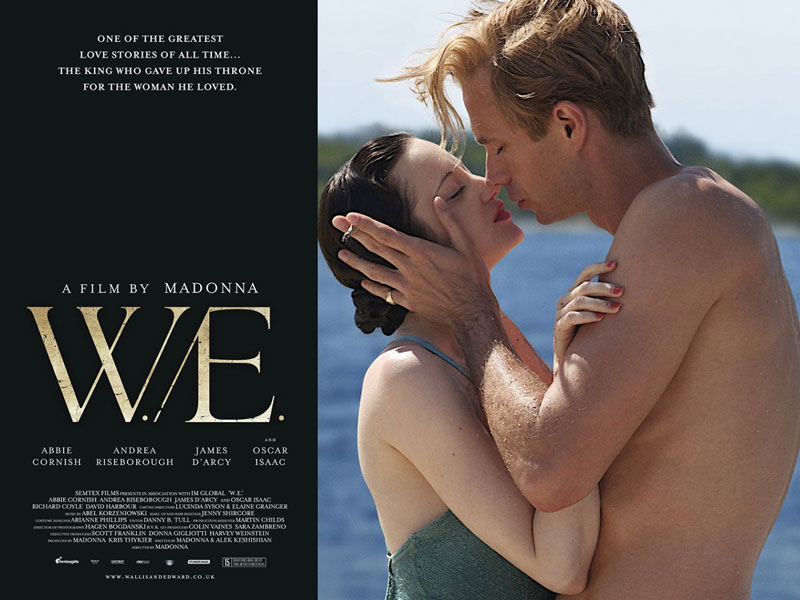
Boulder Channel 1 annual Oscar show today features trailers from the Nominees Assembled by our Buddy Borg. We also have movie reviews of this years Oscars by Dan Culberson in the movie section. Aaron smith put together our 22Boom Academy Awards TV show for BV 22 which play all over Boulder county. Look for that 2hour TV special here as well.











Jan 23rd
Members of drafting committee have reportedly threatened to resign;
Forecast the Facts campaign calls on the AMS Council to offer a full explanation

Dec 28th
People have been upset with bearers of bad news at least as far back as the days of Sophocles, Euripedes and Aeschylus, the writers of tragedies in which a messenger could be killed just for bringing the king some bad news.
Nowadays, we don’t kill the journalists for giving us bad news; we seem to thrive on it and demand they give us more.
Oh, every decade or so there will be complaints that newspapers just report bad news and never good news, and some newspaper will be started that proudly proclaims it will print only good news. Then it will lose money and go out of business, because people are more interested in tragic events than in happy events … unless, of course, the events happen to them.
Remember, the Greeks invented tragedies before they invented comedies. Bad news allows us to feel good about ourselves, to feel pity for the sufferers and fear that the events could happen to us and to achieve a catharsis of those emotions.
Comedies, however, make us laugh and allow us to feel smug about our happiness. Greek tragedies were about the nobility, but comedies were about common people. Then the moralists of the 16th and 17th centuries decided that the purpose of comedy was not only to amuse and entertain, but also to instruct.
So, what would you rather read about (or more likely these days, watch on TV), the latest scandals about Washington politicians, foreign nobility and Hollywood stars or the fact that the reported number of crimes went down last month?
Bad news doesn’t usually come with the admonition that we shouldn’t act this way, but have you noticed how popular TV sit-coms usually end with a moral?
When I was young, I wanted to be a newspaper reporter. I was fascinated with the challenge of gathering all the facts about a story and then writing those facts according to journalistic formulas so that the least common denominator, Everyreader, could understand them without difficulty.
However, newspaper reporters didn’t make very much money, Woodward and Bernstein hadn’t made investigative journalism fashionable yet and the epitome of TV journalism was Edward R. Murrow, not some blow-dried performer who just reads the teleprompter.
Later, whenever any argument arose about journalism, I always defended the reporters. They were doing their job. Bad things happen. People would rather hear about bad news than good news.
News reporter messes up, calls herself stupid on… by Christian_Carrion
And yet I have become extremely upset with TV reporters and their stupid questions.
Why ask an accused criminal “Did you do it?” Do you believe a criminal will suddenly confess on national TV instead of to the police? Does another denial give the audience any more insight about the story?
Why ask anyone “How do you feel?” How do you believe anybody feels after tragically losing a loved one, surviving an accident or winning the Super Bowl?
And why do journalists insist on inserting their own opinions? I have a rule of never answering a question beginning with a negative. “Don’t you feel the proposed health plan will cost the taxpayers too much money?” is a weak way to ask for someone’s opinion, because the reporter’s opinion overshadows the question and any answer.
I have always wanted to be part of an important story, just so I could counter reporters’ stupid questions.
“Did I do it? That’s a stupid question.”
“I feel like you have just asked another stupid question.”
“Don’t you feel that by asking your question that way, you are just giving your own opinion instead of asking for mine?”
And speaking of opinions, who cares what the public believes? Why do so many TV and radio shows keep asking for public opinions? A Denver morning TV “news” program once asked, “Does it seem like you have a lot of bad hair days?” Back then people actually paid money to call in their one little vote.
Why are there so many daytime talk shows? In 1961 Jackie Gleason probably started the first prime-time TV talk show when he sat down with just one guest and they simply talked. I believe Phil Donahue established the pattern of involving audiences, taking phone calls and having guests with unusual problems or stories.
Perhaps fascination with dirty laundry is nothing more than wanting to feel fear and pity for the catharsis, being able to feel smug at the absurdity of other people’s lives and watching tragedies about the common folk for a change.
I rest my case.
The Naked Curmudgeon
Dan Culberson