







We moved Boulder Crime News and police blotter out of News and made it a primary category. Even though crime news is the highest in analytic s some readers complain because it ruins non violent news. Our readers and viewers prefer science, tech environmental and entertainment news. So crime news junkies now have your own bad news section here.

Jan 1st
1. Establish Probable Cause for Arrest
Law enforcement (e.g., local police, sheriff’s deputies, or state troopers) must have probable cause to believe a crime was committed and that Trump committed it. This could stem from evidence like witness statements, documents, or investigations.
Arrest could occur with a warrant (issued by a judge after reviewing an affidavit) or warrantless if it’s a felony observed in progress or exigent circumstances exist (CRS 16-3-102).
Without probable cause, any arrest would be unlawful and subject to challenge (e.g., via habeas corpus or suppression motions).
2. Charge with a Qualifying Offense Crimes against Humanity
The district attorney (DA) in the relevant Colorado county (e.g., Denver DA if the alleged crime occurred there) would file charges via complaint or indictment by a grand jury.
For bail to be deniable, the charge must fall under exceptions in the Colorado Constitution (Article II, Section 19):
Capital offenses (though Colorado abolished the death penalty in 2020, this still applies to severe crimes like first-degree murder where “proof is evident or presumption great”).
First-degree murder (per 2024’s Amendment I, which removed the automatic right to bail for such cases if proof is evident).
Crimes of violence (e.g., murder, felony sexual assault, class 1 felonies) where the court finds:
Proof evident or presumption great.
Public safety risk if released.
Likelihood of non-appearance.
Non-qualifying offenses (e.g., misdemeanors or lower felonies) generally entitle the accused to bail.
3. Hold a Bail Hearing and Deny Bail
After arrest, the accused must appear before a judge within 48-96 hours for an initial advisement and bail setting (CRS 16-4-102).
The DA can request bail denial at a hearing, presenting evidence to meet the constitutional thresholds (e.g., clear proof of guilt and danger).
If the judge agrees, bail is denied, and the person remains jailed pretrial. The trial must start within 90 days if bail is denied (to avoid indefinite detention).
Factors considered: Severity of the crime, criminal history, flight risk, and community ties. Appeals are possible to higher courts.
4. Additional Legal Considerations
As a former (and potentially sitting) president, federal protections like Secret Service details and DOJ policies against indicting a sitting president could complicate state actions, though states have independent authority over local crimes.
Any process must comply with due process under the U.S. Constitution (5th and 14th Amendments) to avoid dismissal or civil rights lawsuits.
If charges involve federal matters (e.g., election-related), they might be removed to federal court.
In summary, it’s only possible if Trump were charged with a bail-deniable offense in Colorado supported by strong evidence, following due process. Without that, it’s not legal or feasible. For real-time developments, consult official sources like the Colorado Judicial Branch or a licensed attorney.

Dec 29th

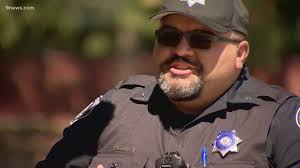 Boulder Channel 1 reporters faced repeated difficulties in securing information: detectives refused to speak directly with our team or provide interviews, and Public Information Officer Vinnie Montez was often uncooperative when questions were posed about the investigation’s progress, evidence details, or alternative theories. Similarly, the Coroner’s Office provided limited responses and did not engage substantively with reporters seeking clarification on timelines, testing delays, or forensic decisions.
Nov 29th
 John Ramsey met with the police this year. They didn’t arrest him even though all the evidence and a Grand Jury indictment points to him.
 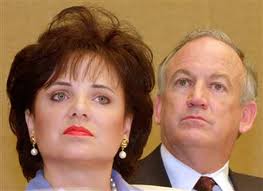 In fact the police fired lead detective Ron Gosage and replaced him with a new team of rookie detectives who know zero about the case. They made Gosage an assistant chief to keep him happy.
But talk to any long time Boulder detective involved with the case and they will tell you that the Ramseys did it. Commander Eller who first led the investigation and quit over a no arrest wanted the Ramseys arrested on day 1. Detective Steve Thomas confronted Patsey Ramsey on Larry King Live. He wanted to arrest her that night on set of the show. Thomas wrote a book about the case Detective Gossage saw all the signals that let to RDI. 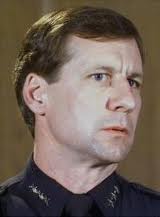 Police Chief Mark Beckner was the lead detective in the Ramsey case. Probably the smartest cop on the case laid out RDI in the Redditt AMA
The Ramseys to this day absolutely insist they had nothing to do with JonBenet’s murder . John Ramsey regular appears on TV shows, murder festivals and he’s sued everybody under the sun who accuse him or his family. Settlements have been in the millions of dollars. And we certainly are not accusing him here. The case continues to swirl on murder sites of the web. This one reviews the case daily on Redditt
There’s so much more we can write, but like the Sand Creek Massacre, this unsolved murder case leaves a blight on Boulder every Christmas day..