









Jan 6th


Jan 6th

Temperatures are expected to reach a high of around 57 degrees this afternoon, further drying out already parched vegetation. Officials are urging everyone to avoid outdoor burning, recreational fires, or any activities that could produce sparks—no exceptions.

Jan 2nd
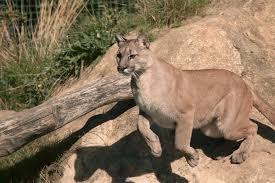
On Thursday, January 1, 2026, a woman hiking alone on the Crosier Mountain Trail south of Glen Haven in unincorporated Larimer County was found dead in what authorities are investigating as a suspected mountain lion attack. This marks Colorado’s first confirmed fatal mountain lion attack on a human since 1999.
Hikers spotted a mountain lion near the woman lying on the ground around 12:15 p.m. The group threw rocks to scare the animal away and rushed to help, with one hiker — a physician — determining she had no pulse. Multiple agencies, including CPW, Larimer County Sheriff’s Office, Estes Park police, and Glen Haven Area Volunteer firefighters, responded.
Officials closed nearby trailheads, including Crosier Mountain’s Glen Haven, Rainbow, and Garden Gate access points, as well as the Houston Heights Trailhead. An extensive search ensued, aided by aerial support from a CPW biologist conducting deer herd surveys and tracking dogs. Two mountain lions found in the immediate area were euthanized, per CPW policy requiring the removal of wildlife involved in human attacks for public safety. Necropsies will determine if they were directly involved or showed signs of disease.
CPW spokesperson Kara Van Hoose emphasized during an evening press conference that the woman appeared to have been hiking solo.
The Larimer County Coroner’s Office will release her identity and official cause of death.
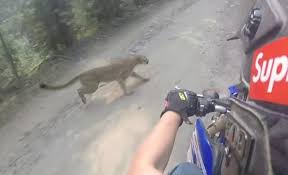 Mountain lions are solitary hunters, and it’s unclear if one or more animals were involved in the incident. Colorado is home to an estimated 3,800 to 4,400 mountain lions, with populations thriving in areas like Larimer and Boulder counties, where sightings are frequent — especially in winter when lions follow prey like deer to lower elevations.
Attacks on humans remain extremely rare. CPW has documented only 28 attacks resulting in injury since 1990, with just two confirmed fatalities and one suspected (a child in 1999, also in Larimer County) in the state over that period. Eleven of those injury attacks occurred in the northeast quadrant, which includes both Larimer and Boulder counties. But lions are know to attack solitary trail runners or mt bikers.
In Boulder County itself, no recent fatal or injurious human attacks have been documented, but mountain lion activity — including sightings in neighborhoods and on trails — is common, particularly during winter months. The City of Boulder routinely warns residents of increased activity as lions move to lower elevations in search of food. Recent examples include multiple sightings in north Boulder areas like Iris Avenue and 34th Street in 2025, with residents reporting lions casually strolling sidewalks or appearing in backyards.
More concerning are conflicts involving pets: In the last six months leading up to the Larimer incident, mountain lions have been blamed for several animal deaths around Boulder, Erie, and nearby communities. A notable case occurred in July 2025, when a mountain lion attacked and killed a small, leashed Cavachon dog named Bodhi during an evening walk in the 2400 block of Balsam Avenue in north Boulder. The lion was later captured and relocated by CPW, Boulder Police Animal Protection officers, and Open Space & Mountain Parks rangers after additional sightings in the same neighborhood.
Experts stress that mountain lions typically avoid people, but overlapping habitats in the Front Range can lead to occasional conflicts, usually involving pets or livestock rather than humans.
CPW offers these key safety tips if you encounter a mountain lion:
Do not approach the animal, especially if it’s feeding or with kittens. Give it an escape route.
Stay calm, speak firmly and slowly, and never turn your back or run (running can trigger chase instinct).
Face the lion, stand tall, and appear larger by raising your arms or opening your jacket.
If with children, pick them up.
If the lion acts aggressively, throw rocks, branches, or objects while waving arms and speaking firmly.
If attacked, fight back aggressively — target sensitive areas like eyes and nose — using sticks, rocks, poles, or even bare hands. Many people have successfully driven off lions this way.
This incident serves as a sobering reminder to stay vigilant on trails and in neighborhoods near Boulder and the surrounding mountains. Always hike in groups when possible, keep pets leashed (especially at dawn, dusk, or night), make noise on trails, and be aware of your surroundings in lion country. For more information or to report a sighting, visit the CPW website or call their hotline.